9 Benefits of Structural BIM Modeling for Construction Projects
Discover the benefits of Structural BIM Modeling for construction projects, including better coordination, accuracy, and cost savings.
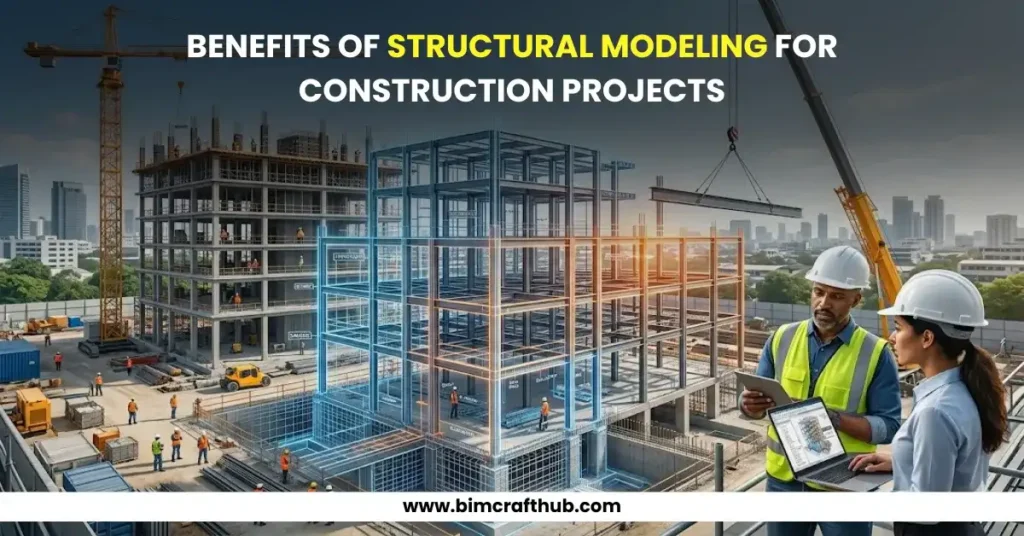
The building sector is evolving fast due to digital tech, with Building Information Modeling standing out as a massive game-changer. Nowadays, builders, designers, and engineers frequently turn to structural bim modeling services to streamline how they plan, coordinate, and execute their work.
This approach helps generate precise 3D models that cut down on mistakes, save precious time, and make teamwork much easier throughout the building lifecycle. No matter if you are dealing with housing, commercial properties, or industrial plants, this methodology is essential for hitting project targets smoothly.
What Is Structural BIM Modeling?
In simple terms, this process involves building a rich virtual replica of a property’s load-bearing frame. We are talking about mapping out things like beams, pillars, concrete slabs, footings, framework trusses, steel assemblies, and rebar layouts. Moving away from flat 2D drafts, this technology offers smart 3D data that allows teams to see the big picture and oversee the framing setup far more effectively.
These digital representations carry highly exact shapes, measurements, material specs, and building data. This setup enables structural experts, architects, suppliers, and site crews to sync up seamlessly using one central, master file.
Benefits of Structural Modeling for Construction
1. Improved Design Accuracy
When looking at the benefits of sturctural bim modeling, a major highlight is definitely the boost in precision. Old-school blueprinting can often leave out small details or cause layout clashes, but advanced software lets you build highly refined models that drastically lower the risk of human error.
With reliable virtual setups in hand, engineering teams can spot system structural flaws early in the design stage well before ground is broken, preventing expensive field revisions and scheduling setbacks down the road.
2. Better Coordination Between Teams
Building jobs always require input from various trades, spanning architecture, structural framing, and MEP networks. When communication drops between these groups, physical interferences and major site headaches usually follow.
This methodology bridges the communication gap by bringing every single trade onto a unified platform. Designers and technicians can easily run automated checks to find overlaps between framing elements and mechanical systems before building starts, keeping rework to a minimum and maximizing efficiency.
To give you a real example, if an air duct accidentally slices right through a main beam or a plumbing pipe runs into a steel column, you can catch and fix that blunder on screen instead of dealing with it on the job site.
3. Faster Project Delivery
Shaving days off the calendar is vital in this industry, and utilizing smart modeling helps accelerate overall construction timelines by smoothing out daily operations and automating tedious steps.
Because these setups are fully digital, modifying a design happens fast without forcing anyone to redraw full sheets from scratch. Making a tweak in one spot instantly updates all related cross-sections, details, and schedules, saving drafters a massive amount of manual effort.
On top of that, tighter collaboration and fewer drafting blunders keep the job on track, letting field crews hit their milestones much faster.
4. Cost Savings and Reduced Rework
Screw-ups on site and tearing down completed work can destroy a budget, but catching issues early during the virtual phase keeps extra expenses completely under control.
Extracting exact material lists and quantity estimations straight from the 3D model also takes the guesswork out of budget planning. Project heads can figure out necessary steel tonnage, concrete yardage, and framing supplies with far greater accuracy.
By cutting down on excess material orders, catching design interferences early, and skipping massive revision loops, this modeling process saves building firms real money from start to finish.
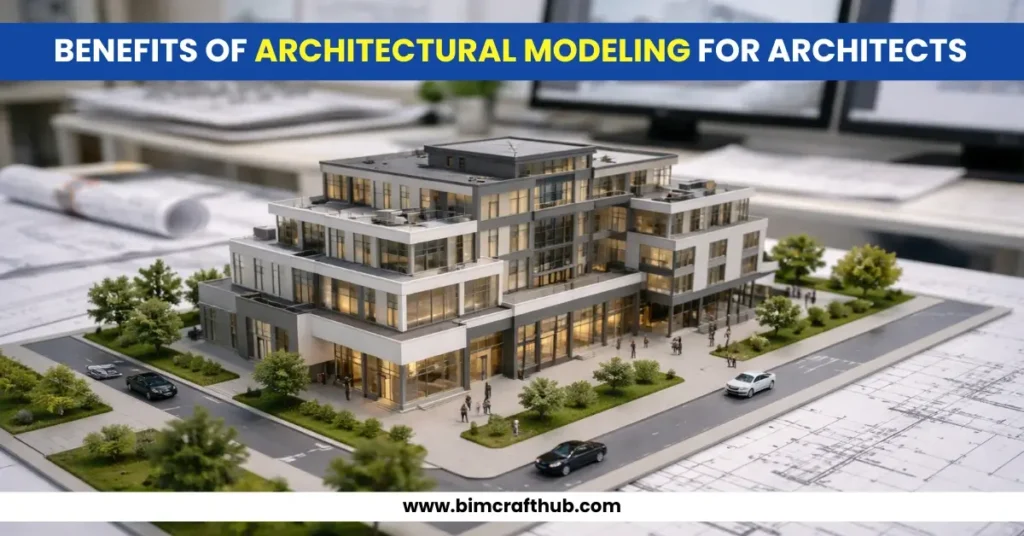
Also read: Top Benefits of Architectural Modeling for Architects & Developers
5. Enhanced Visualization
Flat 2D blueprints can easily look like confusing lines to clients and investors. Presenting a true-to-life 3D view makes it much easier for everyone to review the layout and discuss specific build details.
Property owners can truly picture what the finished building will look like before a single brick is laid, while field engineers get a crystal-clear look at complex steel joins and intricate connections.
Having this level of clarity leads to smarter decision-making and ensures that no one on the team misinterprets the design intent.
6. Better Construction Planning
This data-rich process allows for much sharper site logistics and scheduling. Project managers can use the embedded information to plan out build phases, manage labor shifts, and time material drop-offs perfectly.
Advanced workflows even venture into 4D modeling, where project timelines are linked directly to the 3D frame, letting crews watch a virtual, step-by-step simulation of the build progress.
This level of foresight allows superintendents to maximize daily productivity and keep crews from standing around waiting for answers.
7. Improved Quality Control
Keeping quality control high is non-negotiable, and the rich detail found in these files translates directly into tighter shop fabrication and better field execution.
Steel suppliers can pull their fabrication details and rebar specs directly from the master model, ensuring that parts are cut and welded perfectly with almost no room for error.
Field inspectors can easily check the physical work against the virtual model to make sure everything on site perfectly matches the signed-off specs.
8. Easier Facility Management
The benefits of Structural BIM Modeling continue even after construction is completed. The asset data packed into these files stays useful long after construction wraps up, proving incredibly helpful for ongoing building management.
Building managers can instantly look up specific framing materials, component dimensions, and repair histories from the file, making future building changes, upkeep, and safety checks vastly simpler.
9. Increased Productivity
Ultimately, this system lifts the overall productivity of the entire design and build team. Letting automation handle monotonous drafting chores frees up professionals to focus on structural integrity and clever problem-solving.
With centralized project information and better communication, teams can work more efficiently and avoid confusion. This leads to smoother project execution and improved collaboration.
Why Structural BIM Modeling Is Important for Modern Construction
Modern builds are getting increasingly intricate and fast-paced, with clients constantly pushing for quicker handovers, top-tier quality, and tighter budgets. Implementing this technology helps satisfy those demands by keeping data precise and workflows highly organized.
From the initial sketch right through to operations, this method offers a much smarter way to guide a framing project. Firms adopting these tools secure a serious edge in the market by lowering project risks and keeping clients completely happy.
Conclusion
Embracing this practice has simply become standard for the modern building world. It sharpens drafting accuracy, cuts down on mistakes, coordinates different trades, saves money, and drives fast handovers, giving field crews the info they need to work efficiently at every milestone.
If you need dependable precision on your next job, partnering with seasoned modelers will help you secure top-notch assets built around your exact scope. Making this shift is about way more than just running new software—it is an investment in building better, working faster, and setting up long-term success.
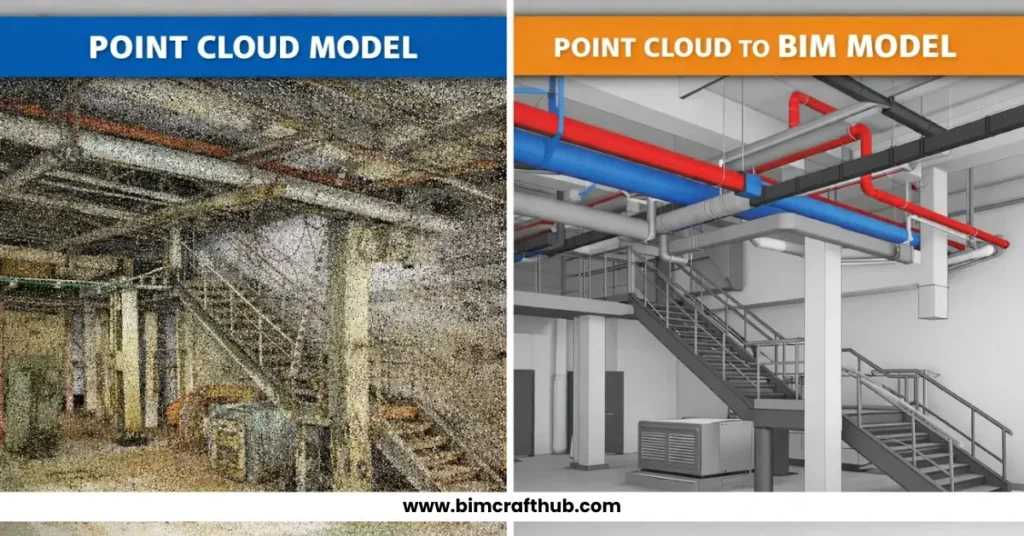
Also read: Difference Between Point Cloud Modeling and Point Cloud to BIM Modeling