Top Benefits of Architectural Modeling for Architects & Developers
Architectural modeling for architects helps improve design accuracy, coordination, visualization, and cost control for developers and AEC teams.
In today’s fast-paced construction industry, accuracy, efficiency, and coordination are critical to project success. Traditional 2D drafting methods are no longer sufficient to handle complex building designs and tight timelines. This is where 3D Architectural modeling services play a transformative role for architects and developers.
Architectural modeling enables professionals to visualize, analyze, and manage building projects digitally before construction begins. From concept design to construction documentation, it improves decision-making and reduces costly errors.
Below are the top benefits of architectural modeling for architects and developers and why it has become an industry standard.
What is Architectural Modeling?
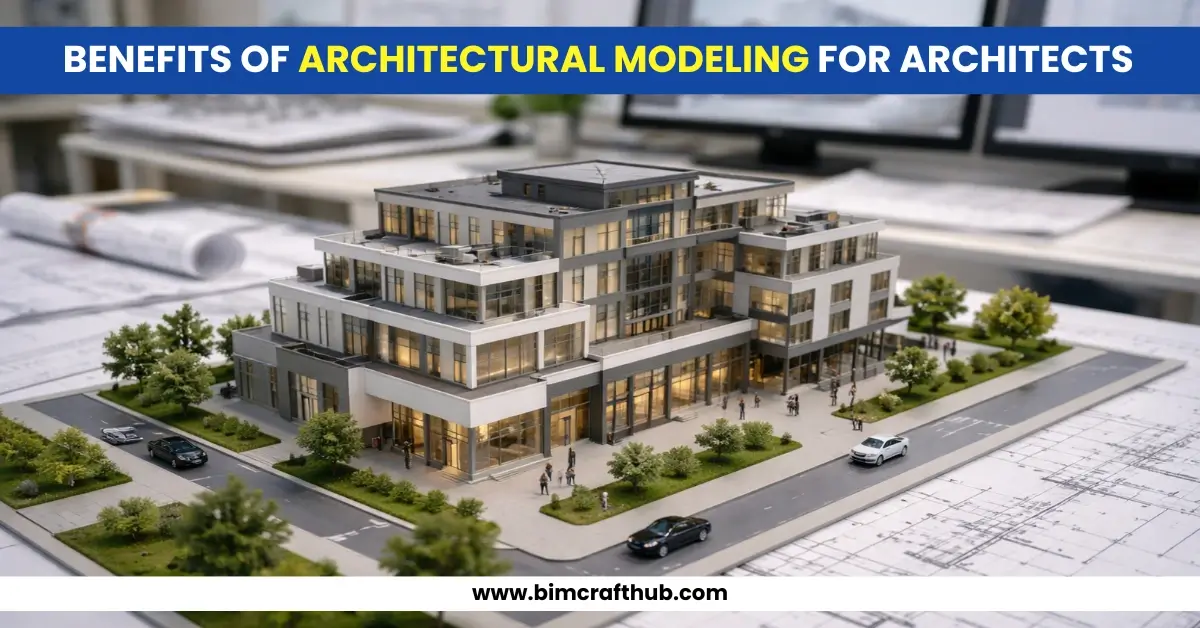
Architectural modeling is the process of creating a detailed digital representation of a building using specialized design and BIM tools. It includes 3D models, plans, sections, elevations, and data-rich components that define the architectural intent of a project.
Unlike traditional 2D drafting, architectural 3D modeling integrates geometry, materials, dimensions, and project data into a single intelligent model. This allows architects and developers to visualize designs accurately, analyze building performance, and coordinate seamlessly with structural and MEP disciplines.
Architectural BIM modeling is widely used for residential, commercial, and mixed-use projects, helping stakeholders make informed decisions from early design stages through construction and facility management.
Benefits of 3D Architectural Modeling for Architects
1. Improved Design Visualization and Clarity
Architectural modeling allows architects and developers to visualize projects in a detailed 3D environment instead of relying on flat 2D drawings. This makes it easier to understand spatial relationships, building massing, and design intent.
Clients can clearly see how the final structure will look, which helps in faster approvals and fewer design revisions. For developers, this clarity reduces misunderstandings and ensures that everyone is aligned from the early design stage.
2. Increase Accuracy and Reduce Errors
One of the biggest advantages of architectural modeling is accuracy. Intelligent models are created with precise dimensions, data, and parameters, minimizing manual drafting errors.
Potential design conflicts are identified early, reducing rework during construction. This accuracy helps architects deliver reliable designs and allows developers to avoid costly mistakes on site.
3. Better Coordination Between Teams
Architectural modeling for architects improves collaboration between architects, structural engineers, and MEP consultants. Since all teams work on coordinated digital models, clashes and inconsistencies are detected before construction starts.
For developers managing large projects, this coordination ensures smoother workflows, fewer RFIs, and better communication among stakeholders.
4. Faster Project Delivery and Time Savings
With architectural modeling, design changes can be updated quickly across all drawings and views. This significantly reduces turnaround time compared to traditional drafting methods.
Architectural modeling for architects can focus more on design quality, while developers benefit from faster project completion and improved scheduling accuracy.
5. Control Cost and Budget
Architectural models help in accurate quantity take-offs and material estimation. This allows developers to plan budgets more efficiently and control project costs from the early stages.
By reducing errors, rework, and delays, architectural modeling contributes to significant cost savings throughout the project lifecycle.
6. Sustainable and Smart Building Design
Architectural modeling supports energy analysis, daylight studies, and sustainable design strategies. Architects can evaluate building performance and optimize designs for energy efficiency and sustainability.
Developers benefit by delivering environmentally responsible buildings that comply with modern green building standards and regulations.
7. Improved Construction Planning and Execution
Detailed architectural models provide construction teams with clear and coordinated documentation. This improves site execution and reduces confusion during construction.
Developers gain better control over construction planning, sequencing, and progress monitoring, leading to improved project outcomes.
8. Better Facility Management and Future Modifications
Architectural models are not only useful during design and construction but also throughout the building’s lifecycle. They provide valuable data for facility management, renovations, and future expansions.
For developers, this long-term value makes architectural modeling a smart investment.
Why Architects & Developers Prefer Architectural Modeling
Architectural modeling for architects has become essential due to its ability to enhance design quality, improve coordination, and reduce risks. It supports smarter decision-making and ensures that projects are delivered on time, within budget, and with higher accuracy.
Whether it’s residential, commercial, or large-scale developments, architectural modeling provides a competitive advantage in today’s construction industry.
Looking for Professional Architectural BIM Modeling Services?
If you are an architect or developer seeking accurate, efficient, and high-quality architectural modeling, partnering with experienced BIM professionals can make a significant difference.
BIM Craft Hub delivers reliable Architectural BIM Modeling Services to clients worldwide, helping them streamline design, coordination, and construction processes with confidence.
Share on: