Benefits of Scan to CAD Conversion for Renovation and Retrofit Projects
Discover the benefits of Scan to CAD conversion services improve renovation projects with accurate drawings, reduced errors, and faster planning.
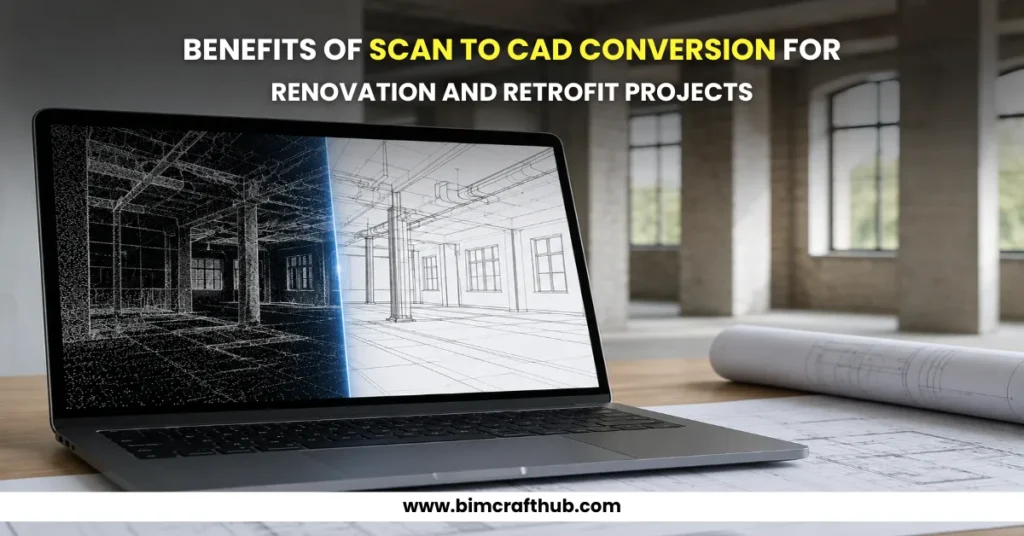
Renovation and retrofit projects require accurate existing building information before any design or construction work begins. Unfortunately, many older buildings have outdated drawings, incomplete documentation, or no drawings at all. This is where Scan TO CAD conversion services play a vital role. By converting laser-scanned point cloud data into precise CAD drawings, project teams gain access to reliable as-built information that helps reduce errors, improve planning, and streamline project execution.
Whether you are renovating a commercial building, upgrading an industrial facility, or retrofitting a residential property, Scan to CAD technology provides the accuracy needed for successful project outcomes. It enables stakeholders to make informed decisions based on real-world conditions rather than assumptions, resulting in smoother project execution and fewer unexpected challenges.
What is Scan to CAD Conversion?
Scan to CAD is the process of capturing a building or structure using 3D laser scanning technology and converting the collected point cloud data into detailed 2D CAD drawings or 3D CAD models. These drawings accurately represent the existing conditions of a building, including architectural, structural, and MEP elements.
The resulting CAD files can be used for renovation planning, retrofit design, facility management, and construction documentation. They can also be customized according to project-specific standards and drafting requirements, making them valuable resources for architects, engineers, contractors, and building owners throughout the project lifecycle.
Why Accurate Existing Conditions Matter in Renovation Projects
One of the biggest challenges in renovation and retrofit projects is the lack of reliable building information. Traditional site measurements often miss critical details, leading to design conflicts and costly revisions during construction.
Accurate as-built CAD drawings provide project stakeholders with a clear understanding of existing conditions, helping architects, engineers, and contractors make informed decisions throughout the project lifecycle.
In addition, dependable existing-condition documentation supports accurate budgeting, scheduling, and resource allocation. When teams have access to precise building data from the beginning, they can avoid surprises during construction and maintain better control over project timelines and costs.
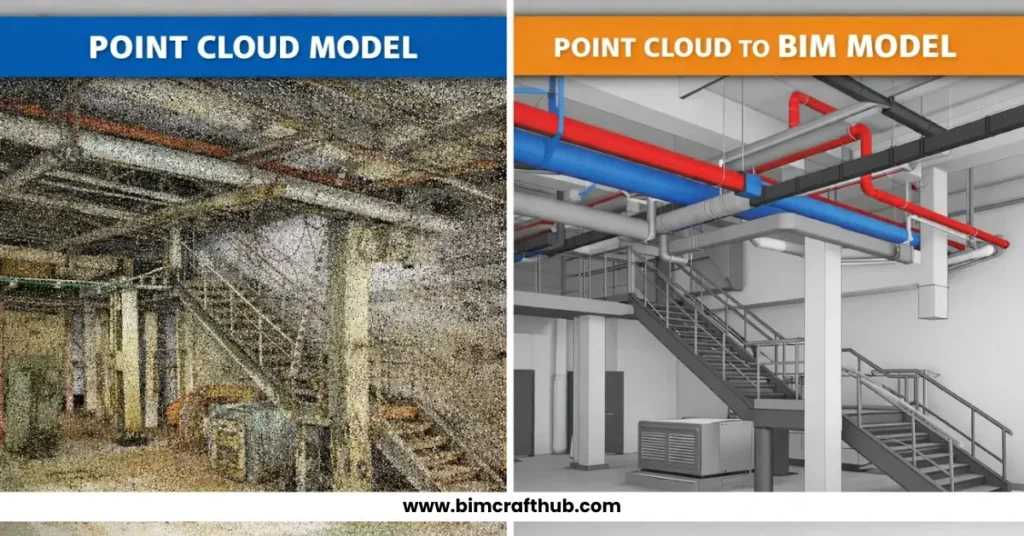
Also read: Difference Between Point Cloud Modeling and Point Cloud to BIM Modeling
Major Benefits of Scan to CAD Conversion Services for Renovation and Retrofit Projects
1. Improved Accuracy and Precision
Laser scanning captures millions of data points that accurately represent the existing structure. This level of detail is significantly more precise than manual measurements.
When point cloud data is converted into CAD drawings, project teams receive highly accurate floor plans, elevations, sections, and detailed layouts that can be trusted during the design phase.
Accurate documentation is especially valuable when working with older buildings that may have undergone modifications over time. Detailed CAD drawings ensure that renovation plans are based on actual site conditions, reducing uncertainty and improving design confidence.
2. Faster Project Planning
Traditional surveying methods can be time-consuming and often require multiple site visits. Scan to CAD conversion significantly reduce the time required to collect and document building information.
With accurate CAD drawings available early in the project, architects and engineers can begin design work faster, reducing project delays and improving overall efficiency.
Quick access to reliable building data allows project teams to evaluate design alternatives more efficiently. This accelerates stakeholder reviews, approvals, and planning activities, helping projects move forward without unnecessary delays.
3. Less Design Errors
Design errors often occur when teams work with outdated or inaccurate drawings. Even small discrepancies can lead to costly construction changes.
Scan to CAD drawings provide an accurate representation of existing conditions, minimizing the risk of clashes, redesigns, and unexpected issues during renovation or retrofit work.
Having precise as-built information enables architects and engineers to identify potential constraints early in the design process. This proactive approach reduces revisions and helps maintain project quality from start to finish.
4. Cost Saving
Renovation projects frequently encounter hidden conditions and unforeseen challenges. Accurate CAD documentation helps identify potential issues before construction begins.
By reducing rework, minimizing change orders, and improving coordination among project stakeholders, Scan to CAD services contribute to significant cost savings throughout the project lifecycle.
Accurate drawings also improve material estimation and procurement planning. Contractors can better manage resources, reduce waste, and avoid unnecessary expenses that often arise from inaccurate measurements or incomplete documentation.
5. Good Coordination Between Disciplines
Successfull renovation projects require close collaboration between architectural, structural, and MEP teams. Accurate CAD drawings serve as a common reference point for all disciplines.
Having reliable as-built information helps teams coordinate their designs more effectively, reducing conflicts and improving project communication.
When everyone works from the same accurate dataset, misunderstandings are minimized and project workflows become more efficient. This enhanced collaboration contributes to smoother project delivery and improved overall outcomes.
Also read: How Point Cloud Data Used in Scan to BIM Modeling
6. Ideal for Historic Building Renovations
Historic buildings often lack updated drawings and may contain unique architectural features that require careful documentation.
Laser scanning technology can capture intricate details without damaging the structure. The resulting CAD drawings provide a valuable foundation for preservation, restoration, and adaptive reuse projects.
Detailed digital documentation helps preserve important architectural elements while supporting modernization efforts. This balance allows project teams to maintain historical integrity while meeting current building standards and functional requirements.
7. Increased Retrofit Planning
Retrofit projects often involve upgrading building systems, improving energy efficiency, or modifying structural components.
Accurate Scan to CAD documentation helps engineers evaluate existing conditions and develop retrofit solutions that fit within the current building layout. This reduces uncertainty and improves design accuracy.
Engineers can assess equipment placement, utility routing, and structural limitations more effectively when working with precise CAD drawings. This leads to better retrofit strategies and fewer implementation challenges during construction.
8. Improved Facility Management
The CAD drawings created during renovation projects continue to provide value long after construction is complete.
Facility managers can use accurate as-built documentation for maintenance planning, space management, future renovations, and asset tracking. Having reliable digital records simplifies building operations and reduces future documentation costs.
These digital records serve as a long-term resource for building owners, enabling efficient maintenance scheduling and supporting future upgrades or expansions without the need for extensive re-surveying.
9. Supports Modern Design Technologies
CAD drawings generated through Scan to CAD workflows can easily integrate with modern design software such as AutoCAD, Revit, and BIM platforms.
This compatibility enables project teams to transition from existing condition documentation to advanced design and modeling workflows without the need for extensive rework.
The seamless integration with BIM and other digital construction technologies improves project visualization, coordination, and data management, helping teams achieve greater efficiency throughout the design and construction process.
10. Reduced Site Visits and Safety Risks
Collecting measurements manually often requires extensive access to difficult or hazardous areas. Laser scanning captures comprehensive building information during a single site visit.
As a result, project teams can rely on the captured data instead of repeatedly returning to the site, improving safety and reducing project costs.
Reducing the number of site visits not only saves time but also minimizes exposure to potentially dangerous environments. This is particularly beneficial for industrial facilities, infrastructure projects, and occupied buildings.
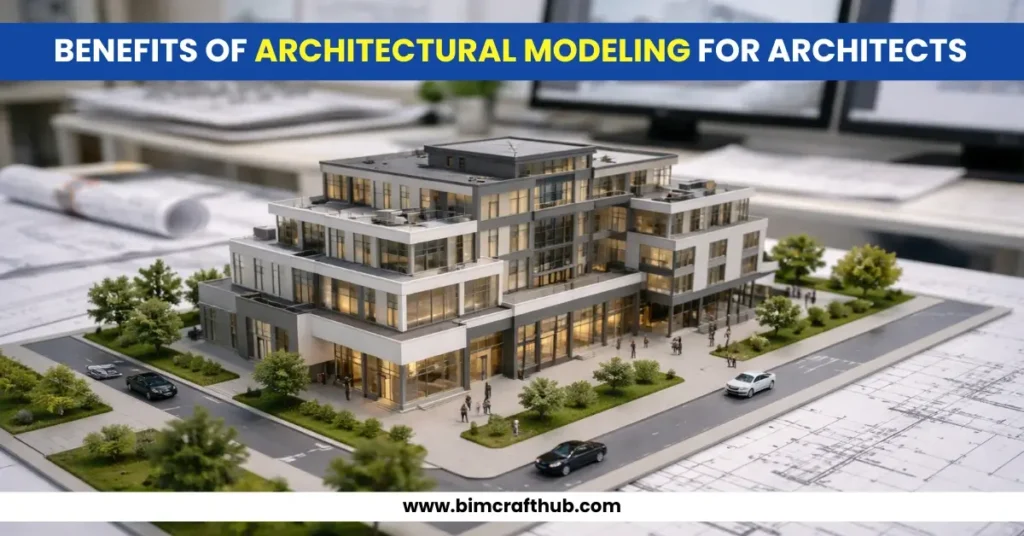
Also read: Top Benefits of Architectural Modeling for Architects & Developers
Common Applications of Scan to CAD in Renovation Projects
Scan to CAD conversion is widely used across various renovation and retrofit applications, including:
- Commercial building renovations
- Office space remodeling
- Industrial facility upgrades
- Hospital renovations
- Educational facility modernization
- Retail store renovations
- Residential remodeling projects
- Historic building restoration
- Infrastructure retrofit projects
- Facility management documentation
These applications continue to expand as organizations increasingly adopt digital construction workflows. Accurate CAD documentation supports better planning, asset management, and long-term building maintenance across a wide range of industries.
Why Professional Scan to CAD Services Matter
The quality of CAD drawings depends heavily on the expertise of the service provider. Professional Scan to CAD specialists understand industry standards, drafting requirements, and quality control processes.
A skilled team ensures that point cloud data is accurately interpreted and converted into CAD deliverables that meet project specifications. This helps eliminate inconsistencies and provides dependable documentation for design and construction teams.
Professional providers also implement rigorous quality assurance procedures to verify accuracy and completeness. Their expertise ensures that the final deliverables align with project objectives and support efficient decision-making throughout the renovation process.
Conclusion
Renovation and retrofit projects demand accurate building information to minimize risks and maximize project success. Scan to CAD conversion provides highly precise as-built documentation that improves planning, reduces errors, enhances coordination, and lowers project costs.
From commercial renovations and industrial upgrades to historic preservation projects, Scan to CAD technology has become an essential tool for modern construction workflows. By investing in professional Scan to AutoCAD conversion services, project stakeholders gain access to reliable CAD documentation that supports efficient design, smoother construction, and better long-term facility management.
If you’re planning a renovation or retrofit project, accurate Scan to CAD drawings can provide the solid foundation needed to achieve successful results while saving both time and money.
As renovation demands continue to grow and buildings become increasingly complex, accurate digital documentation is more important than ever. Scan to CAD technology offers a dependable solution that supports project success today while creating valuable records for future building improvements and facility management needs.
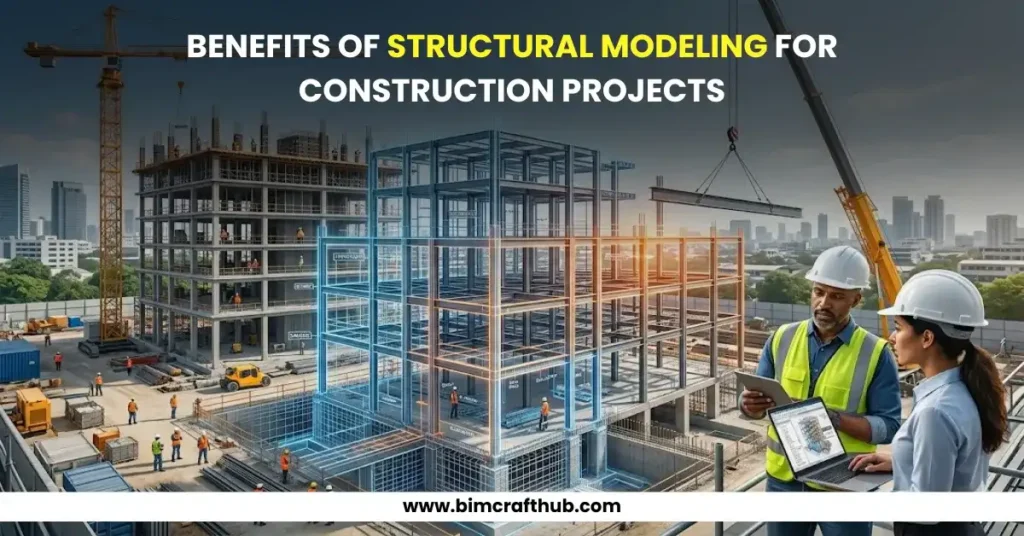
Also read: 9 Benefits of Structural BIM Modeling for Construction Projects