3D Architectural Modeling vs Traditional Drafting: Key Differences
Learn the key differences between 3D architectural modeling and traditional drafting. Explore how modern 3D workflows improve visualization, accuracy, collaboration, and project efficiency in today’s construction industry.
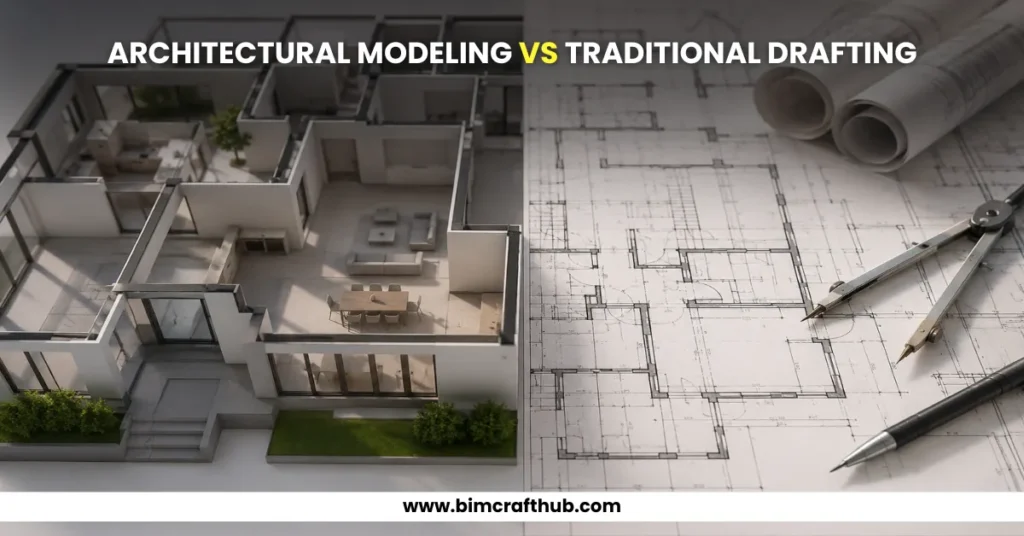
The world of architecture and construction has changed dramatically over the last ten years, shifting away from old-school 2D sketches toward smart digital workflows. These days, 3D Architectural Modeling Services are a standard requirement for planning out builds, visualizing spaces, and keeping field crews on the same page. While flat blueprints still serve a purpose for basic tasks, working in 3D delivers much higher precision, faster turnarounds, and smoother teamwork.
Getting a clear picture of how these two methods compare helps architects, engineers, builders, and clients choose the right path for their specific project goals.
Understanding Traditional Drafting
Traditional drafting is all about putting technical layouts and building plans into a flat, two-dimensional layout. Decades ago, this meant standing at drafting tables with pencils and scales before computers brought CAD programs into the mix. The main goal here is to map out floor plans, side views, and cross-sections using standard lines, measurements, and written notes.
Even though computer-based drafting was a massive step up from hand-drawn blueprints, it is still stuck in flat dimensions. Everyone involved has to mentally piece together different pages to figure out how the actual building will look and work, which opens the door to costly mix-ups. It takes a lot of training and experience to accurately visualize a finished building this way, particularly when navigating tricky layouts or highly detailed features.
What Is 3D Architectural Modeling?
In contrast, 3D modeling focuses on building a true-to-life, three-dimensional digital replica of the structure. Using specialized design programs like Revit, SketchUp, ArchiCAD, or 3ds Max, professionals build intelligent environments that perfectly reflect real-world dimensions, material choices, and spatial layouts.
Unlike flat lines on paper, a 3D mockup lets you tour the building before anyone pours concrete. The best part is that any adjustment made to the model instantly syncs across all related sheets, keeping the paperwork completely consistent. This setup gives architects, builders, and owners a reliable way to review the design and catch design flaws long before they turn into real-world headaches.
Difference Between Architectural Modeling vs Traditional Drafting
1. Visualization and Design Understanding
The absolute biggest shift between the two comes down to how you see the project.
Flat drawings display information on a static surface. While seasoned builders can scan these blueprints and instantly understand them, clients and outside partners usually have a hard time picturing how everything translates into a real building.
Working in 3D creates a realistic view of the property, letting stakeholders spin the model around, explore different perspectives, and grasp the core design ideas immediately. This makes communication incredibly straightforward and helps owners approve designs much quicker. Immersive walkthroughs, flyovers, and high-quality renderings make project presentations far more engaging from day one.
2. Accuracy and Error Reduction
Flat drafting relies on separate, individual pages that all have to be manually edited one by one whenever a design changes. This slow process makes it easy for discrepancies to slip through the cracks between floor plans and side views.
With a 3D approach, every piece of data lives inside one centralized file. Changing a window size in one room fixes it across every single view and schedule automatically, keeping mistakes low and accuracy high. This interconnected system takes human error out of the equation and keeps quality standards tight from the initial concepts right through to the final build.
3. Design Changes and Revisions
Every building project goes through a mountain of edits and revisions during the early planning stages.
Under an old-school drafting setup, changing a single design element meant hunting down and modifying dozens of individual sheets, eating up valuable time and introducing errors.
On the flip side, 3D setups allow for incredibly fast adjustments. Edits populate instantly across all angles and material lists, saving the design team massive amounts of effort. This flexibility lets architects play around with different concepts and apply client feedback on the fly without breaking the project momentum.
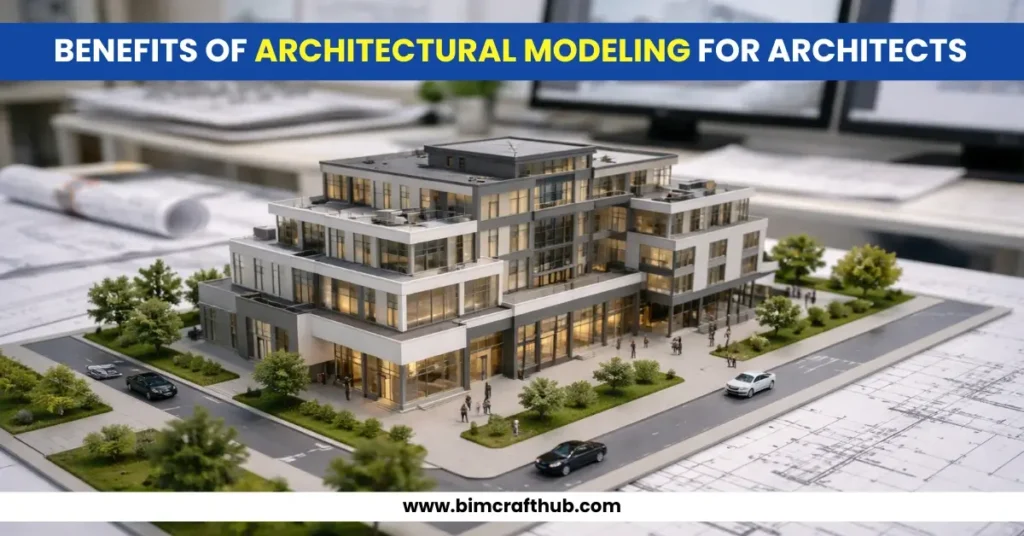
Also read: Top Benefits of Architectural Modeling for Architects & Developers
4. Collaboration Between Teams
Flat blueprints frequently cause coordination bottlenecks because the architects, structural engineers, and mechanical teams all work on isolated documents. Because of this separation, pipe and beam conflicts often go unnoticed until a crew is standing on-site.
3D setups solve this by creating a unified digital space where all engineering fields overlay their work simultaneously. This keeps everyone aligned and flags overlapping components before construction ever begins. Having the whole team look at live, real-time data keeps the workflow moving and ensures smarter choices along the way.
5. Project Cost and Time Efficiency
While flat drafting might look like the cheaper option at first glance, the hidden costs of field errors, reworks, and communication breakdowns can blow up a budget later on.
Shifting to 3D helps catch layout flaws early in the design cycle. By cutting down on field modifications, sudden change orders, and scheduling delays, teams save a massive amount of money and keep handoff dates predictable. Better foresight also means better material management and a much smoother construction phase.
6. Client Presentations and Marketing
Flat 2D blueprints rarely inspire much excitement when pitching ideas to clients or potential investors.
A full 3D model can spin off cinematic renderings, virtual walkthroughs, and detailed presentations that bring the project to life. This makes landing funding, winning town approvals, and pre-selling spaces much easier. Having access to high-end visuals gives firms a massive edge when bidding on competitive contracts or trying to land new clients.
7. Construction Planning and Coordination
Field crews need perfectly clear, unambiguous data to build things correctly the first time.
Flat drawings often leave room for interpretation, forcing builders to guess at intent before starting a task. In comparison, 3D files provide deep, embedded data that fuels accurate material estimations, automatic clash tracking, and precise construction schedules.
This results in tightly synchronized project execution and far lower risks on-site. Superior planning options allow general contractors to organize daily tasks perfectly, use their labor efficiently, and eliminate sudden surprises on the job site.
When Traditional Drafting May Still Be Useful
Even with all the benefits of 3D, old-fashioned drafting still has its place. Small renovations, quick conceptual sketches, and basic floor plans do not always justify the overhead of an advanced digital model.
That said, the industry is steadily moving away from flat files entirely because the long-term payoff is too good to ignore. As design applications become more affordable and user-friendly, switching over to 3D workflows is quickly becoming the baseline expectation across the AEC sector.
Why the Industry Is Moving Toward 3D Architectural Modeling
The constant push for higher accuracy, better teamwork, and tighter timelines has forced a rapid pivot toward 3D modeling across residential and commercial sectors alike. Designers and builders heavily favor digital models now because they simply deliver better results with fewer financial risks.
On top of that, the rise of cloud sharing and automated building practices has made 3D modeling a core requirement for modern project delivery. Firms that jump on these technological trends are the ones staying ahead of the curve in a highly competitive market.
Conclusion
When you put 3D modeling side by side with traditional drafting, the winner is obvious. Working in 3D gives you better visuals, stronger collaboration, flawless accuracy, and effortless revisions. While flat drafting still has its niche, it simply cannot keep up with the speed and capabilities of modern modeling software.
As the construction world continues its digital shift, companies investing in modern modeling tools are cutting down overhead, accelerating timelines, and turning out much higher-quality builds. This makes adopting 3D workflows an incredibly smart move for any firm looking toward the future.
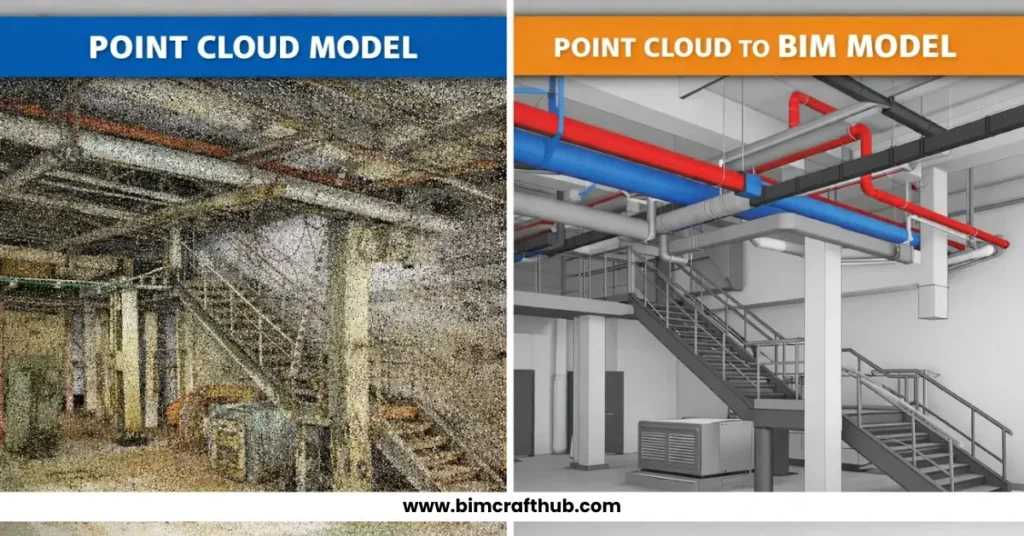
Also read: Difference Between Point Cloud Modeling and Point Cloud to BIM Modeling